
KTUR
KTUR

News

Work Priority 1 : R&D NEEDS

Looking back at the LabVisits of Offenburg

calendrier

21 April 2026

Looking back at the recent Zukunft.Lab.Schwarzwald sessions held in Offenburg, which have fostered knowledge and technology exchange across the Upper Rhine region.


What are the Zukunft.Lab.Schwarzwald events?

They are monthly two-hour visits designed to explore a research institute, gain insight into its activities, and identify concrete collaboration opportunities. The program includes lab presentations, direct exchanges with researchers, and networking sessions all in a short, dynamic format aimed at bringing research and industry closer together.


1st LabVisits - Biomechanics at work, in healthcare and in sports: visit to the Institute for Biomechanics and Motion Studies (IBMS)

On January 29, 2026, a visit to the Institute for Biomechanics and Motion Studies (IBMS) gave participants in-depth insights into how biomechanics is applied in the workplace, healthcare, and sports.

The institute also presented innovative approaches to motion analysis beyond laboratory settings, combining advanced methodologies with data-driven research to generate insights valuable both for science and real-world applications.


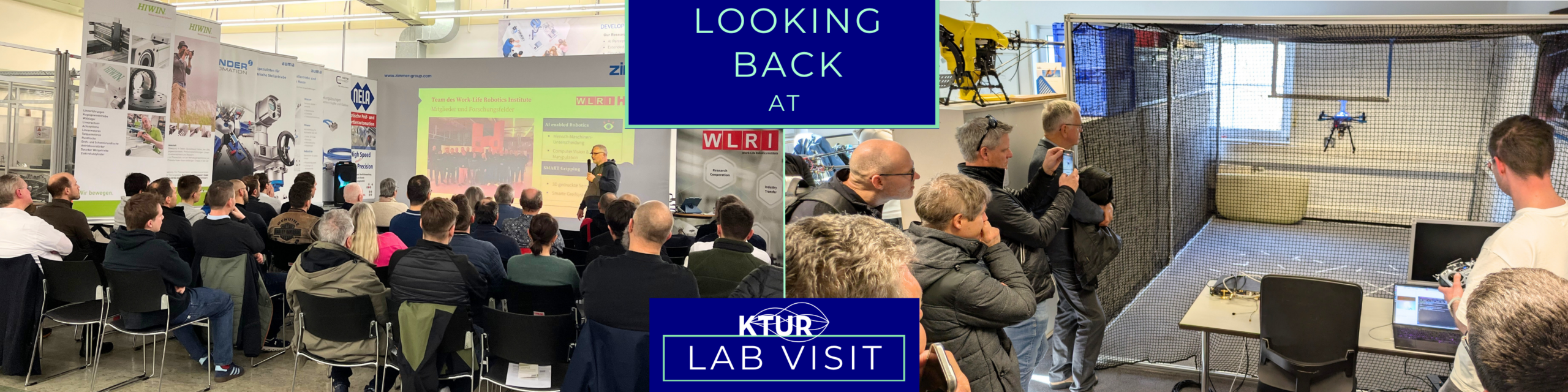
2nd LabVisits - Exploring applied robotics for industrial innovation at the Work-Life Robotics Institute (WLRI)

On February 24, 2026, the Work-Life Robotics Institute (WLRI) opened its doors, offering participants valuable insights into applied robotics and its role in driving industrial innovation.

Key research areas include lean-oriented industrial and collaborative robotics, human–robot interaction in real-world conditions, and the development of components produced through additive manufacturing. These approaches aim to create tangible value for companies while opening up new opportunities for innovation and technology transfer.


3rd LabVisits - Exploring advanced drone robotics and radar technologies at the Institute of Unmanned Aerial Systems (IUAS) in Offenburg

On March 26, 2026, a visit to IUAS offered participants an in-depth exploration of cutting-edge technologies in drone robotics and radar.

IUAS also highlighted its expertise in radar and antenna technologies for automotive, medical, and industrial applications. With state-of-the-art laboratory equipment, the institute conducts electromagnetic compatibility (EMC) testing, dielectric material characterization, and high-frequency measurements exceeding 100 GHz.


Coming soon – 2 LabVisits in Germany

More information will be shared shortly.
Work Priority 1 : R&D NEEDS

Looking back at the LabVisits of Strasbourg

calendrier

16 April 2026

Looking back at the last LabVisits organized in Strasbourg and that had contribute to the knowledges and technologies transfer in the Upper Rhine region. 


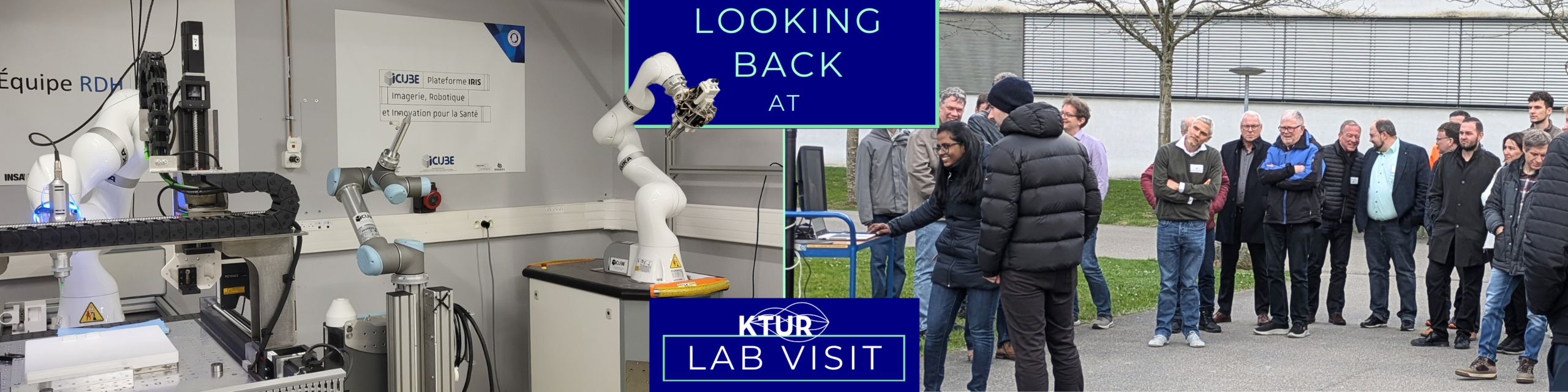
1st LabVisit- The medical robotic in action at ICube x ROSCon FR&DE

On November 20, 2025, as part of ROSCon FR&DE, an exclusive LabVisit was organized on the IRIS platform of the ICube laboratory in Strasbourg. 

The French and German ROS communities came together to exchange on advances in robotics, artificial intelligence and open-source systems. Participants discovered how the combinaison of mechatronics, real-time control, and ROS 2-based applications enables the design and prototyping of the medical robots of tomorrow. 

Beyond technological discovery, this LabVisit helped strenghten the links between academia and industry, while paving the way for new collaborations in the healthcare sector. 


2nd LabVisit- The medical robotic in action at ICube x ROSCon FR&DE

On February 4, 2026, INSA Strasbourg opened the doors of its Topography platform, as part of a LabVisit dedicated to 3D measurement technologies and their application in heritage enhancement.

Participants discovered the processes used for modeling and digitally reconstructing castles in the Upper Rhine region. Discussions with research teams highlighted the use of cutting-edge tools (drones, laser scanners, photogrammetry, and geographic information systems) to accurately capture and analyze these historic sites.

This LabVisit showcased the richness of collaboration between engineers, archaeologists, and regional stakeholders, and illustrated the concrete applications of these technologies in the fields of heritage, research, and science communication.


3rd LabVisit - At the heart of future technologies at INSA

On April 8, 2026, INSA Strasbourg hosted a LabVisit dedicated to drone technologies and their applications in environmental monitoring and civil security.

The cross-border HEDRAF project, carried out in collaboration with the CNRS (ICPEES laboratory) and the University of Freiburg, was presented to participants. They discovered a concentration of innovations through the development of a new-generation drone designed for rapid field deployment and real-time air quality analysis.

Beyond a simple technological demonstration, this event highlighted the growing role of drones as both scientific and operational tools, serving environmental monitoring and risk management.


Coming soon - 2 LabVisits in Germany

More information will be shared shortly.
Axe 3 : ENTREPRENEURIAT

Entrepreneurship without Borders: Inside the KTUR Summer School

calendrier

1 April 2026

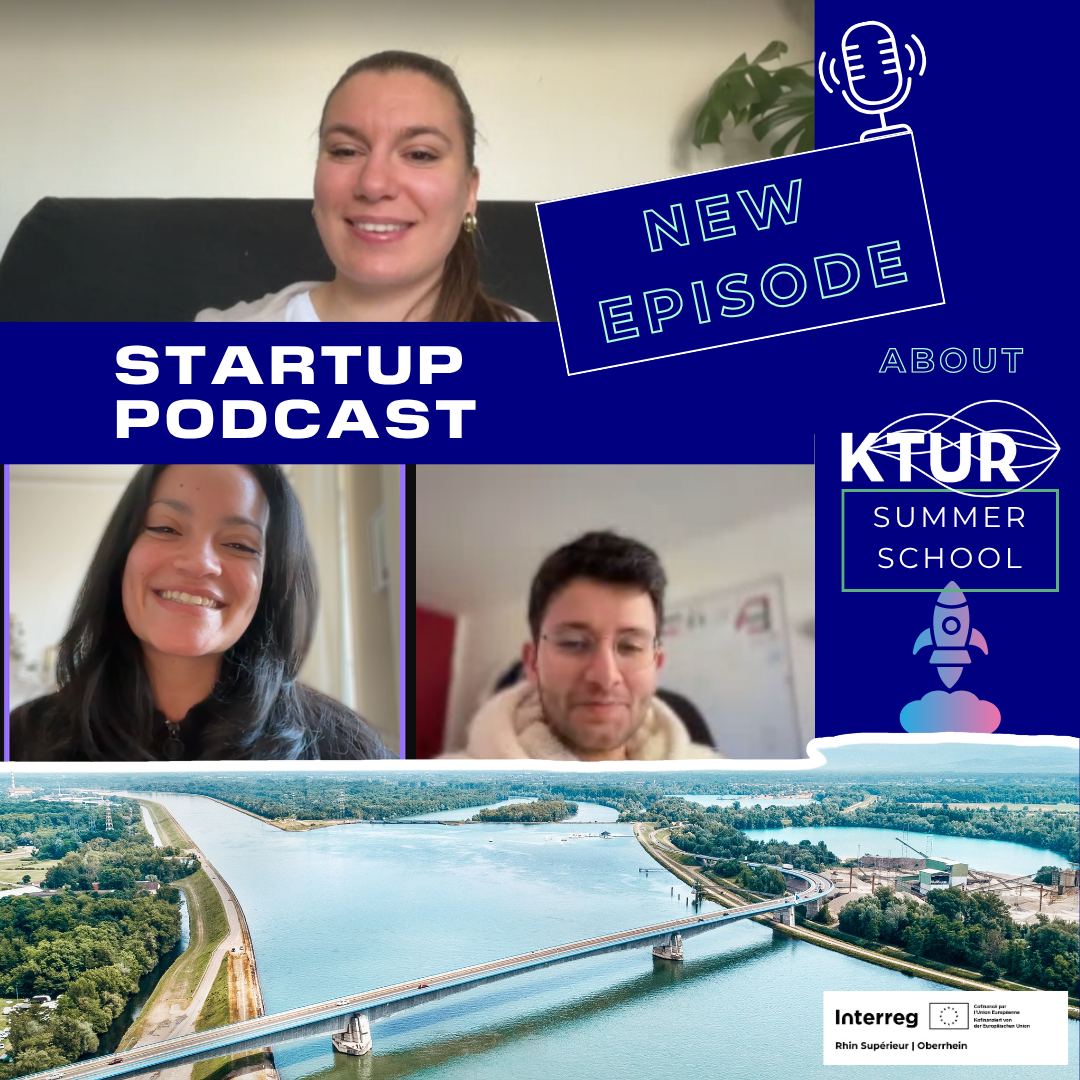
How does entrepreneurial spirit emerge in an international context? In this episode of Rhinepreneurs, we focus on the KTUR Summer School – a program that brings together students and young talents from different disciplines to collaborate on innovative ideas and develop an entrepreneurial mindset.

This episode is hosted by Océane Marie from the University of Strasbourg. She speaks with two Summer School alumni about how the program works in practice, the academic and personal insights they gained, and the important role that international collaboration played in their development. The episode also explores how such initiatives can open up new perspectives – and sometimes even shape one’s career path.

What is RHINEPRENEURS?
 
RHINEPRENEURS is a format within Tomorrow’s Founders dedicated to entrepreneurship in the Upper Rhine region, at the crossroads of Germany, France, and Switzerland. Hosted by Sandra, it features founders, experts, and innovators sharing their experiences, challenges, and opportunities related to entrepreneurship and innovation.

This episode is in English.

> Spotify

> Apple Podcasts

The podcast is part of the KTUR – Knowledge Transfer Upper Rhine project, a network of 15 core partners, including the EUCOR universities, along with 40 associated partners across the Upper Rhine region. KTUR aims to strengthen cross-border collaboration and innovation, fostering new momentum for the regional startup ecosystem.

General

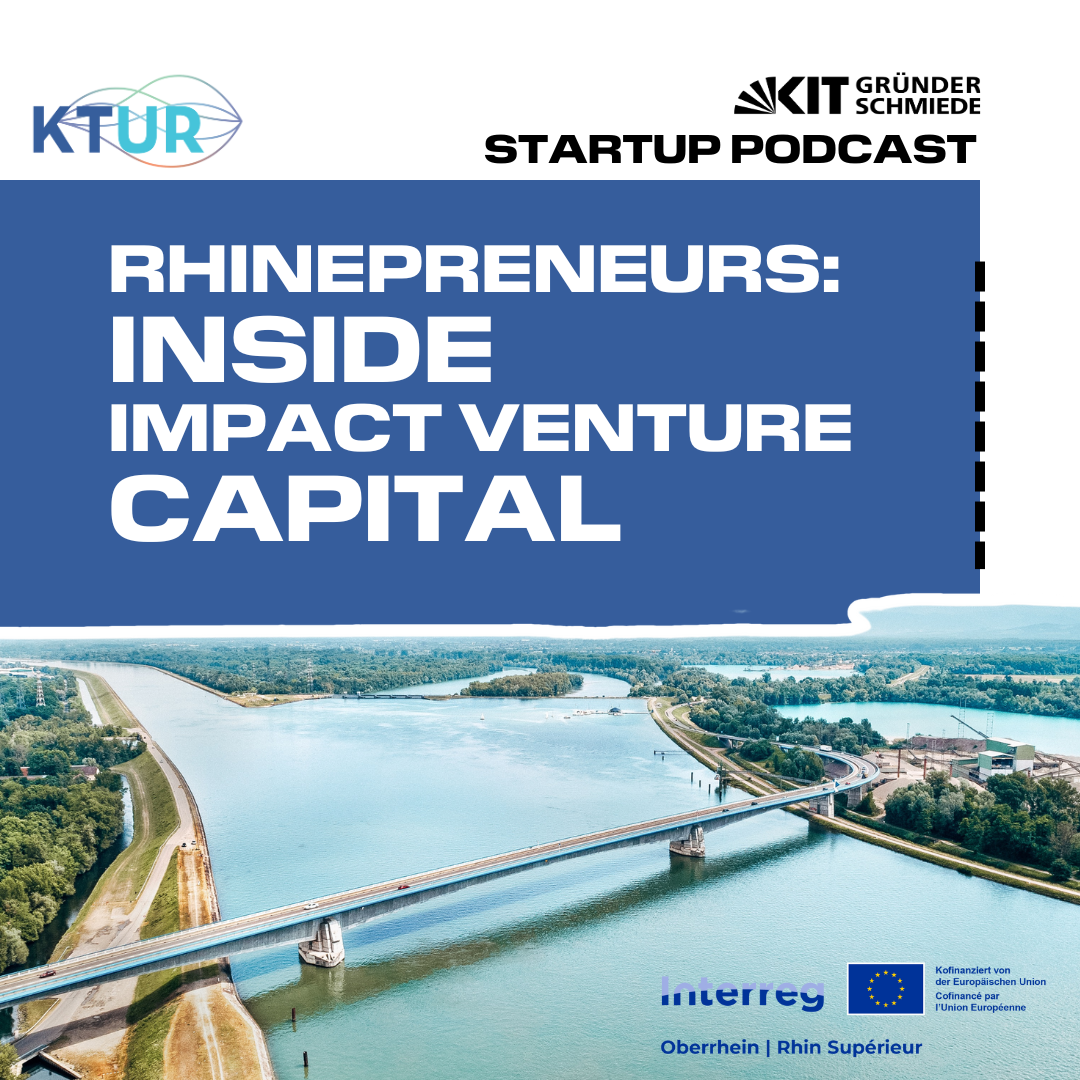
Rhinepreneurs Episode 2: Inside Impact Venture Capital– A Conversation with Claire Weiss from Phitrust

calendrier

6 January 2026

How can investments create both profit and positive change?
 In the second episode of the Rhinepreneurs podcast, presented by KTUR (Knowledge Transfer Upper Rhine), host Sandra dives deep into the world of impact investing with Claire Weiss, Analyst at Phitrust – one of Europe’s pioneers in this field.

From Idealism to Impact

Claire’s journey into impact investing began with a simple but powerful question: How can economic activity align with personal values? Growing up in Alsace, with parents working as doctors, Claire was inspired early on by the idea of making a meaningful difference. During her studies at Sciences Po and her Erasmus year at KIT Karlsruhe, she discovered her passion for social entrepreneurship — and eventually found her way to Phitrust in Paris.

Inside Phitrust: Investing for Change

Founded more than 20 years ago, Phitrust was one of the first companies in Europe to focus on combining financial success with measurable social impact.Today, it manages over €100 million across four investment funds, supporting more than 40 social enterprises in areas such as inclusion, health, and education.

As an impact analyst, Claire’s work bridges analysis and empathy: from evaluating business models and assessing risks to engaging with founders who aim to solve pressing social problems. Her role shows that impact investing isn’t just about numbers — it’s about people, trust, and shared values.

Measuring What Matters

One of the core challenges in impact investing is measuring the real difference an investment makes.
 Phitrust has developed its own impact methodology, refined over two decades, and uses established frameworks like the Theory of Change and the Impact Management Project (IMP). These tools help assess both financial and social results — ensuring that every investment contributes to meaningful change.

Advice for Start-ups: Purpose Meets Performance

Claire also shares insights for founders approaching impact investors. Many underestimate how demanding - yet rewarding - the process can be. Her advice: combine purpose with performance. A strong impact story must go hand in hand with a solid business model. And just as important: be authentic, transparent, and ready for a long-term partnership. As Claire puts it, investing with Phitrust is “almost like a marriage” - based on trust, patience, and shared values.

Looking Ahead: When Impact Becomes the Norm

Claire hopes that one day, impact won’t be seen as a special category of investing — but as the standard. In her words, “Impact should no longer be a trend or a special case, but an integral part of the economy and society.”🎧 Listen to the full conversation:

 👉 RhinepreneursEpisode 2: Inside Impact Venture Capital:

Listen on Spotify or Apple Podcast

Work Priority 2 : CONTINUING EDUCATION

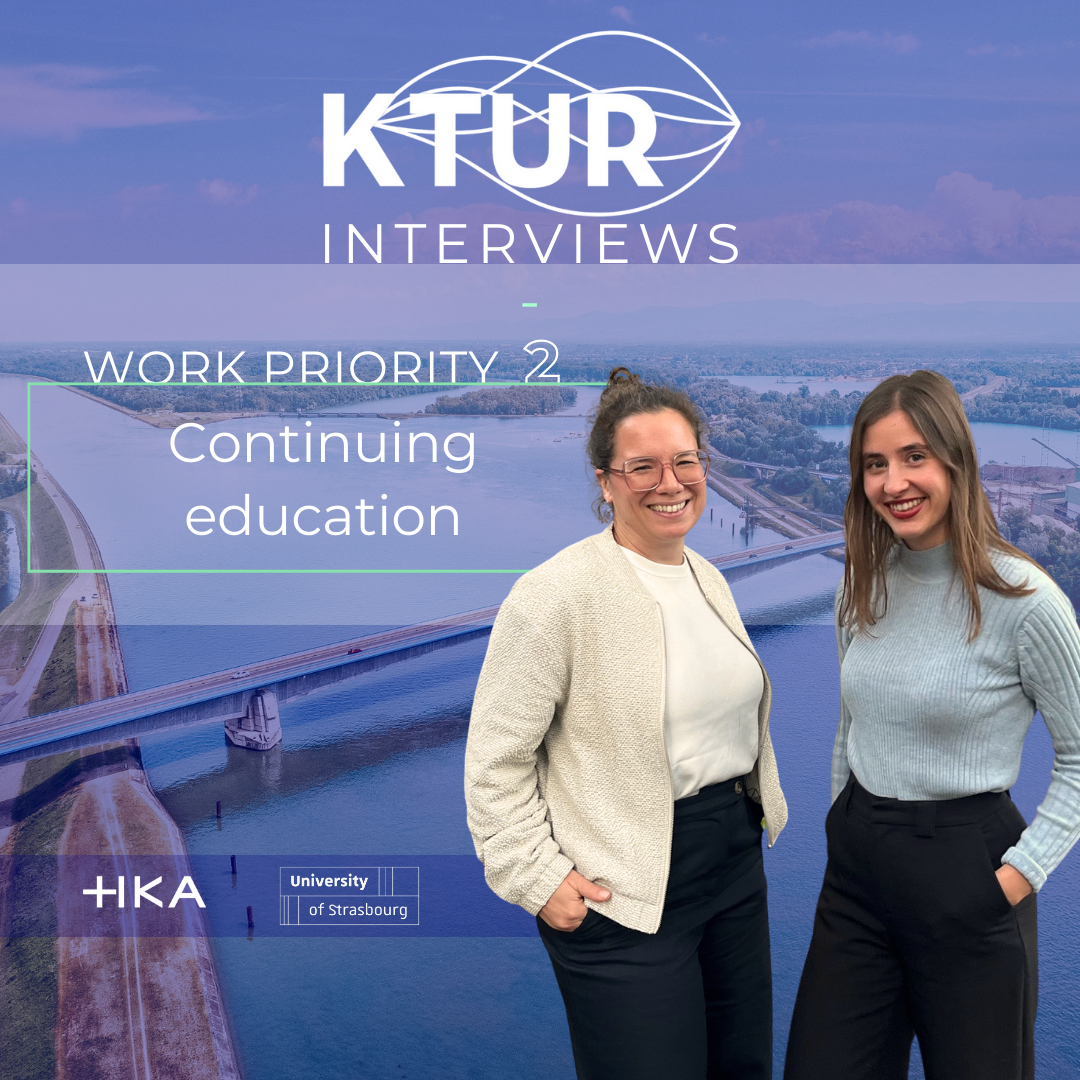
Training for Tomorrow – Interview on Work Priority 2 of KTUR

calendrier

8 December 2025

Interview with Romina Kolb, Director of the Scientific Continuing Education Institute at Hochschule Karlsruhe (HKA), and Charlotte Joumier, Continuing Education Engineering Officer for KTUR² at the Continuing Education Service of the University of Strasbourg (UNISTRA).

The Continuing Education work priority aims to strengthen the skills of professionals in the Upper Rhine region, particularly in the health sector and the cross-border industrial field. It promotes cooperation between university continuing-education institutes, economic stakeholders, and institutions from the three countries, in order to identify skills needs and address them through adapted, concrete, cross-border and innovative training programs.


Question 1. Understanding the Needs of Economic Stakeholders
How do you identify the skills needs in the targeted sectors? 


Question 2. Building on Regional Stakeholders
What types of partnerships are you establishing to co-develop these training offers? 

Charlotte Joumier: We are building partnerships with regional universities and employment agencies, to align our continuing education programmes with labour market needs in health and industry across the Upper Rhine. Upcoming collaborations with IHK/CCI and innovation agencies will boost visibility, connect us directly with companies, and ensure practical training offers rooted in regional realities and sustainable continuing education.


Question 3. Designing Relevant Cross-Border Training
What will the continuing education programs developed in the project look like? 

Romina Kolb: The design of the continuing education programmes is currently in the preparatory phase. Based on the results of our needs assessment, we will focus on key topics tailored to regional priorities. We also take cultural, linguistic, and regulatory differences between Germany, Switzerland and France into account. With regard to formats, we are pursuing a flexible approach. Combining in-person and online formats, these programmes will foster collaboration, accessibility, and innovation across borders.


Question 4. Organizing Pilot Training Sessions
When and how will the first cross-border training sessions be launched? 

Charlotte Joumier: The first cross-border pilot runs of the continuing education programmes will be planned in spring 2026 after the needs analyses have been evaluated. The first training courses are scheduled to start in November 2026. We are already focusing on several major themes: digital transition, cross-border transversal skills, and social and ecological transition.


Question 5. Towards a Sustainable and Structured Offering
How do you plan to ensure the sustainability of this dynamic after the project ends? 

Charlotte Joumier: To ensure lasting impact, we aim to create an alliance for cross-border continuing education in the Upper Rhine region. This network is intended to connect continuing education institutes and maintain long-term contact with companies and other regional partners. This close collaboration should ensure that the continuing education programmes not only close short-term skill gaps, but also contribute to securing skilled labour and competitiveness in the Upper Rhine region in the long term.